

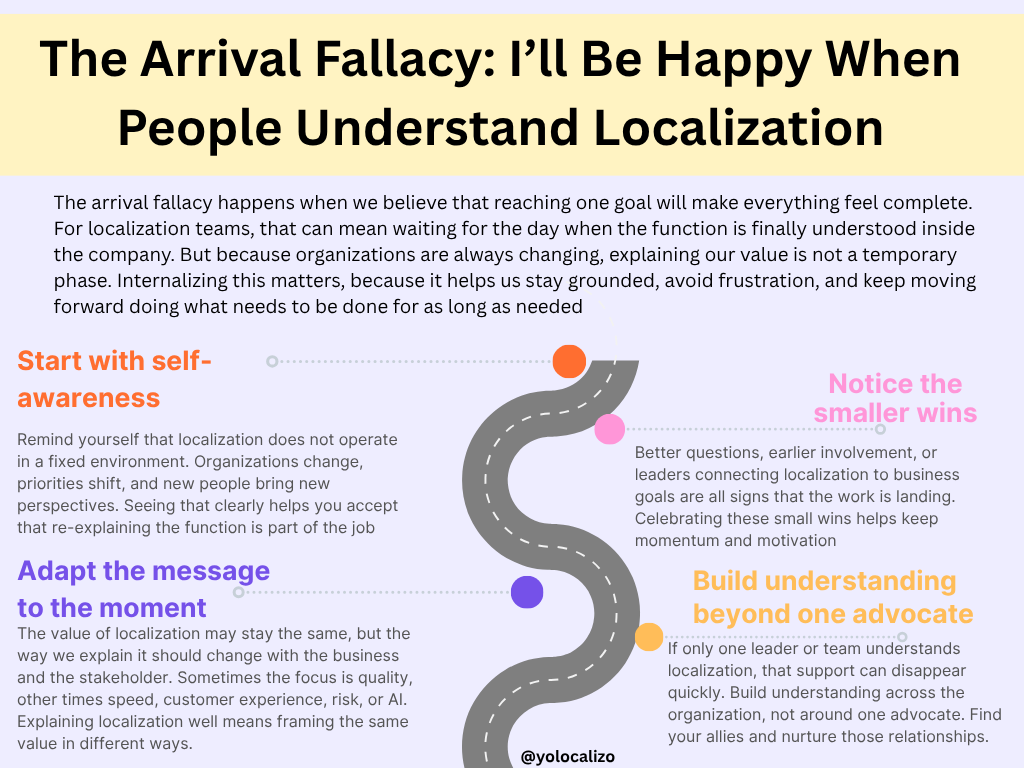
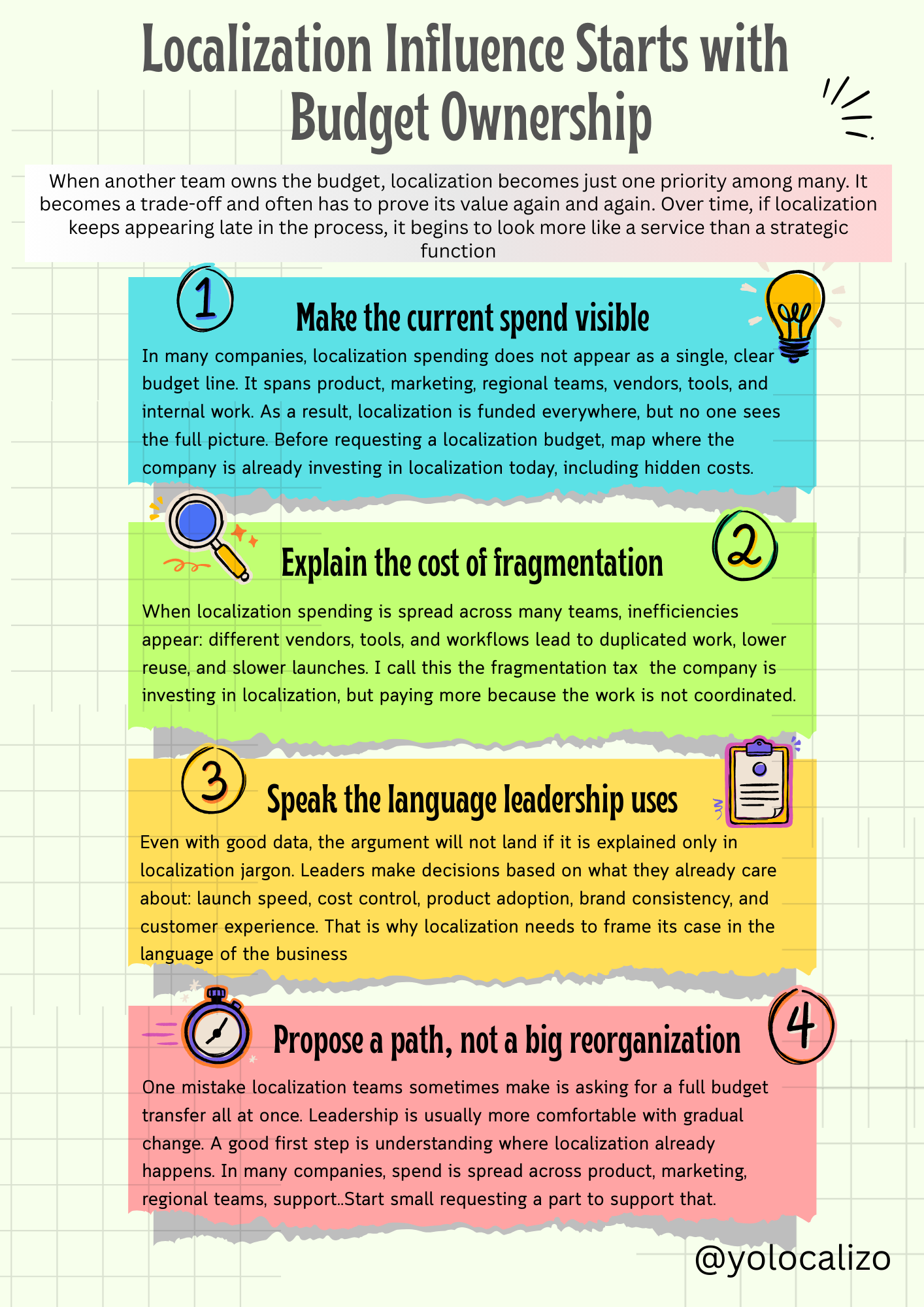
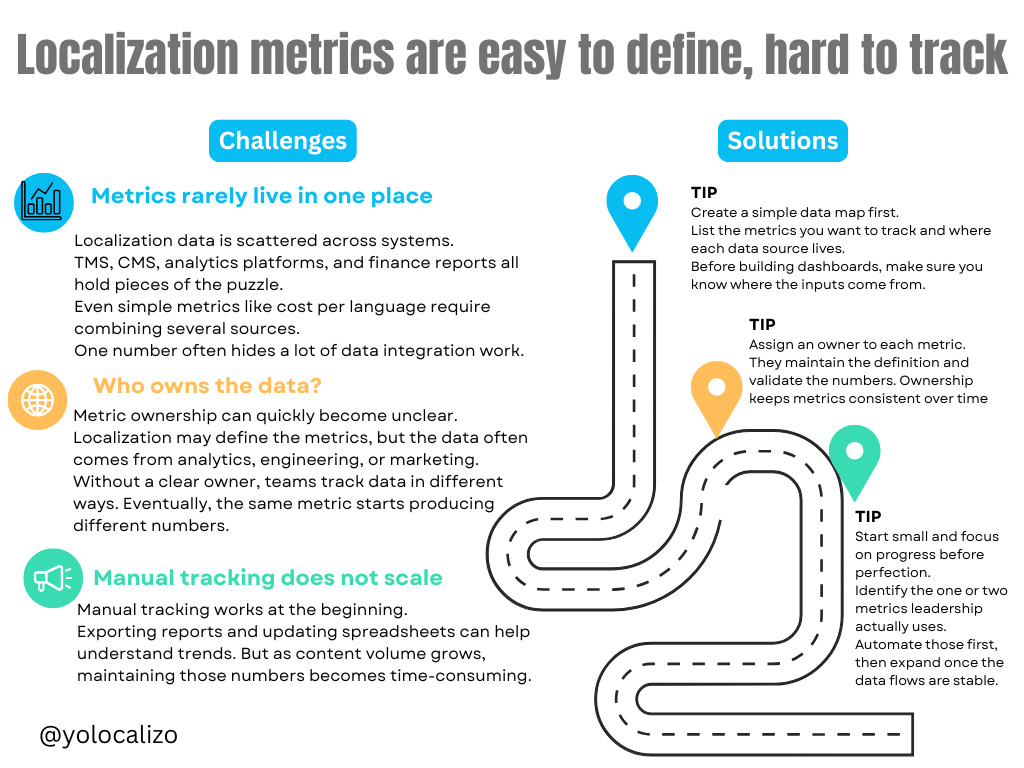


Usually, when we want to improve something in our Localization strategy, we first set an ambitious goal. From there, we design a strategy to reach it as quickly as possible. If we don't see rapid changes, we feel like we're not improving. To break this cycle, we can try changing the way we set goals—smaller, but consistent objectives that, when we look back, show us that we are indeed making progress. This progress can be the driving force for us every week, every month, every year.
Here are some ideas on how we could apply this Kaizen methodology in the Localization world.
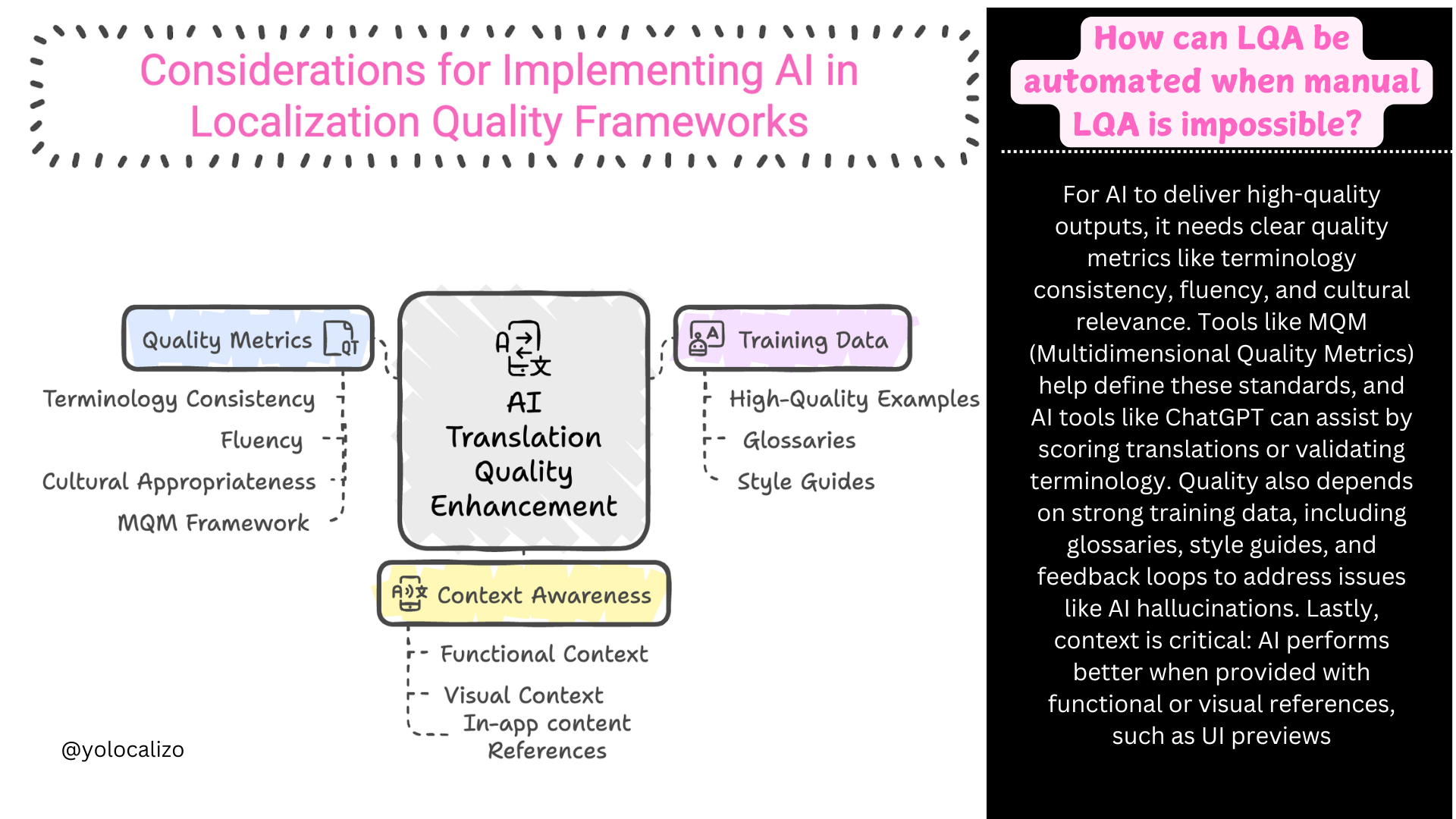








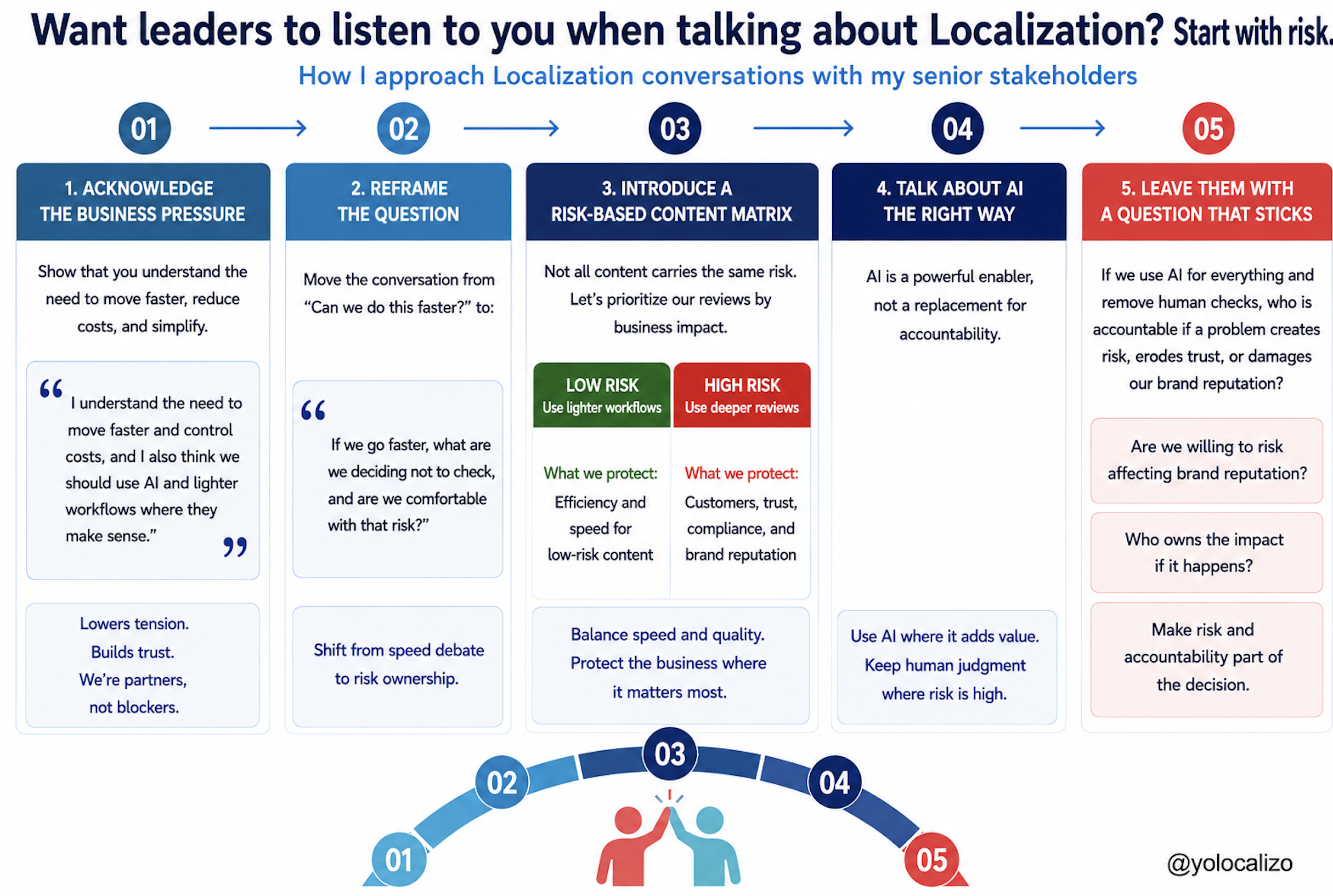
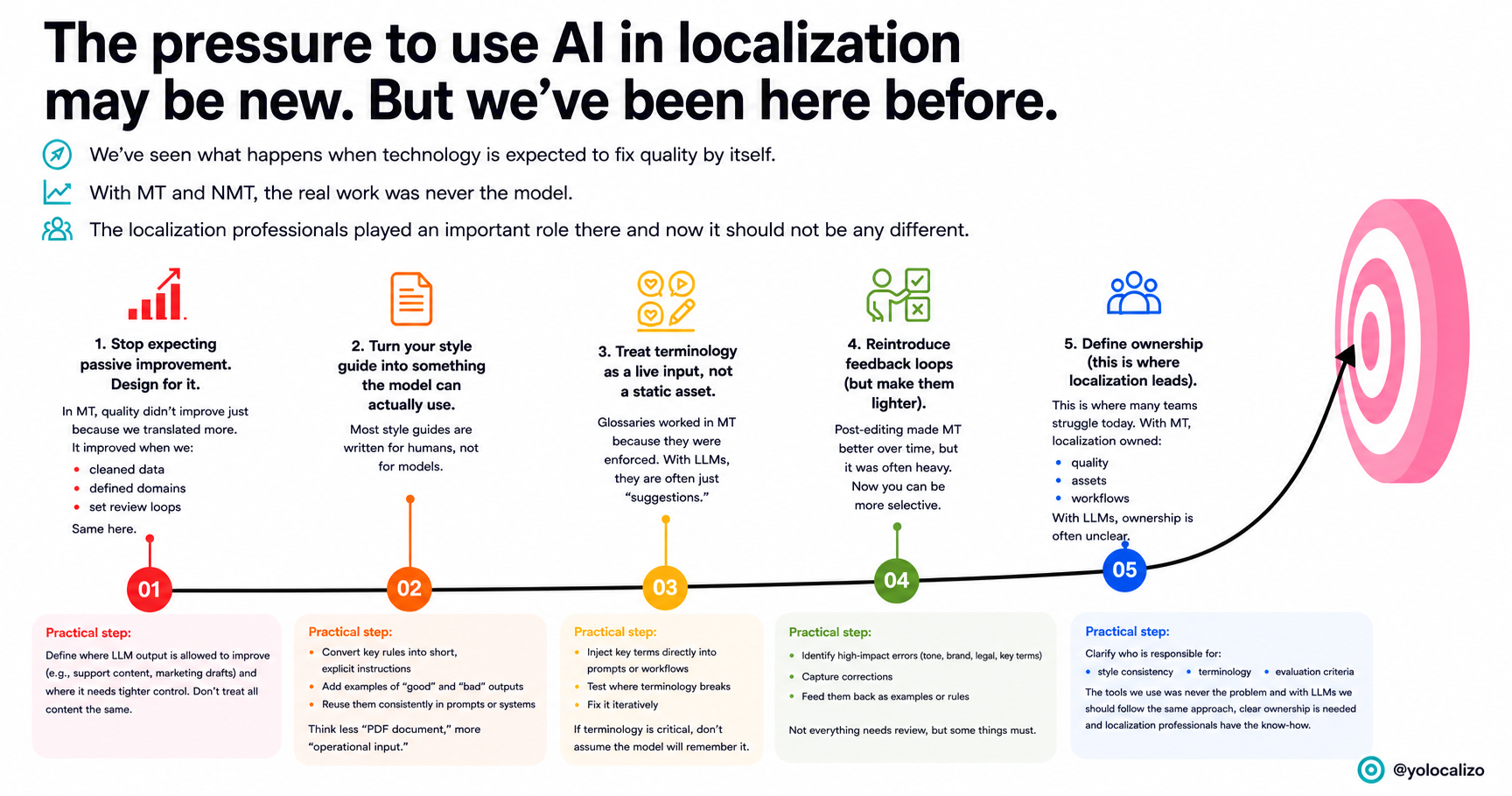
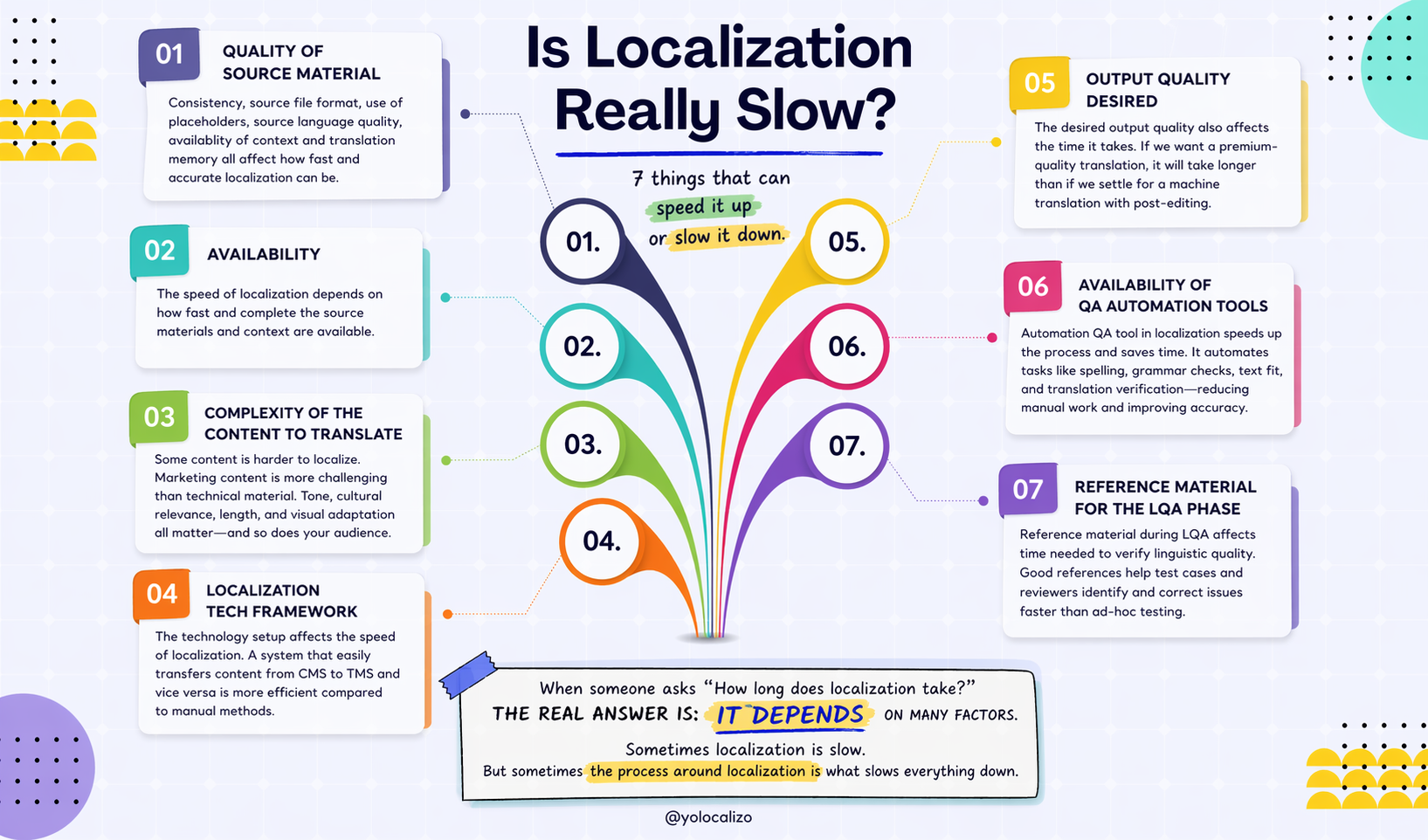
AI promises faster localization, and that message is attractive. But in many teams, the real issue is not speed. The work gets delivered. The harder question is how much hidden coordination, unclear ownership, and workflow complexity it takes to get there.