


How everything started
When I joined Toastmasters back in 2015, the best non-profit organization for public speaking, I did so after years of frustration. In a way, I had this feeling of knowing something, but not being able to explain it properly, or not knowing how to explain it well. I never had formal training in communication. And while it was an area I found interesting, I did not usually prioritize it in my learning. From a development perspective, I always placed greater importance on technical knowledge. But once, back in 2008, when I was in Vancouver at the EA headquarters, at that time I was working for Electronic Arts, something happened that, even if it then took me another 3 or 4 years to actually take the step, became the seed of my passion for learning how to communicate better. There I was, in an auditorium that felt huge to me, and I had to explain things related to localization and the game we were working on at that moment, Need for Speed. And I had a terrible time. I was incredibly nervous; I started feeling unwell, with cold sweats. In fact, I went to the EA merchandising store and bought a burgundy-red hoodie with the company logo on the front. I was shivering, and everything was in my head. A major mental block. The presentation did not go well. It was impossible for that miracle to happen, especially given what I know today about public speaking. But I left that place with one clear conviction: never, never again would I feel like that when I had to give a presentation. And never again would I do it that badly. That moment became the seed of more than a decade of paying close attention to books, videos, public speaking, and related topics such as persuasion and communication with impact.
And of course, this does not mean that I never get nervous anymore. I think that will never happen, and from what I have been able to discuss with colleagues and read in books, nerves never fully disappear. But at least they do not prevent you from giving a talk.
As Scott Berkun says in his book Confessions of a Public Speaker, the butterflies before a presentation will always be there, dancing in your stomach. The only thing you can do is make them dance in formation.
I think that is a curious metaphor because it makes very clear that nerves exist, and they will continue to exist, and that is okay. What cannot happen is a mental block like the one I had in Canada. That kind of block can be avoided by studying books, watching videos, and above all, practicing. Practicing a lot.
And that is what I decided almost two decades ago: not being able to express what I wanted to express, and on top of that, letting it affect my health with an anxiety attack, was something I was going to fight hard to change.
And here we are in 2026. Far from being the best speaker in the world :) but even further away from that version of Miguel from almost 20 years ago, who collapsed when he entered the auditorium at EA headquarters. An auditorium I would actually love to visit again at some point in my life, just to see what feelings it gives me now that I am better prepared.
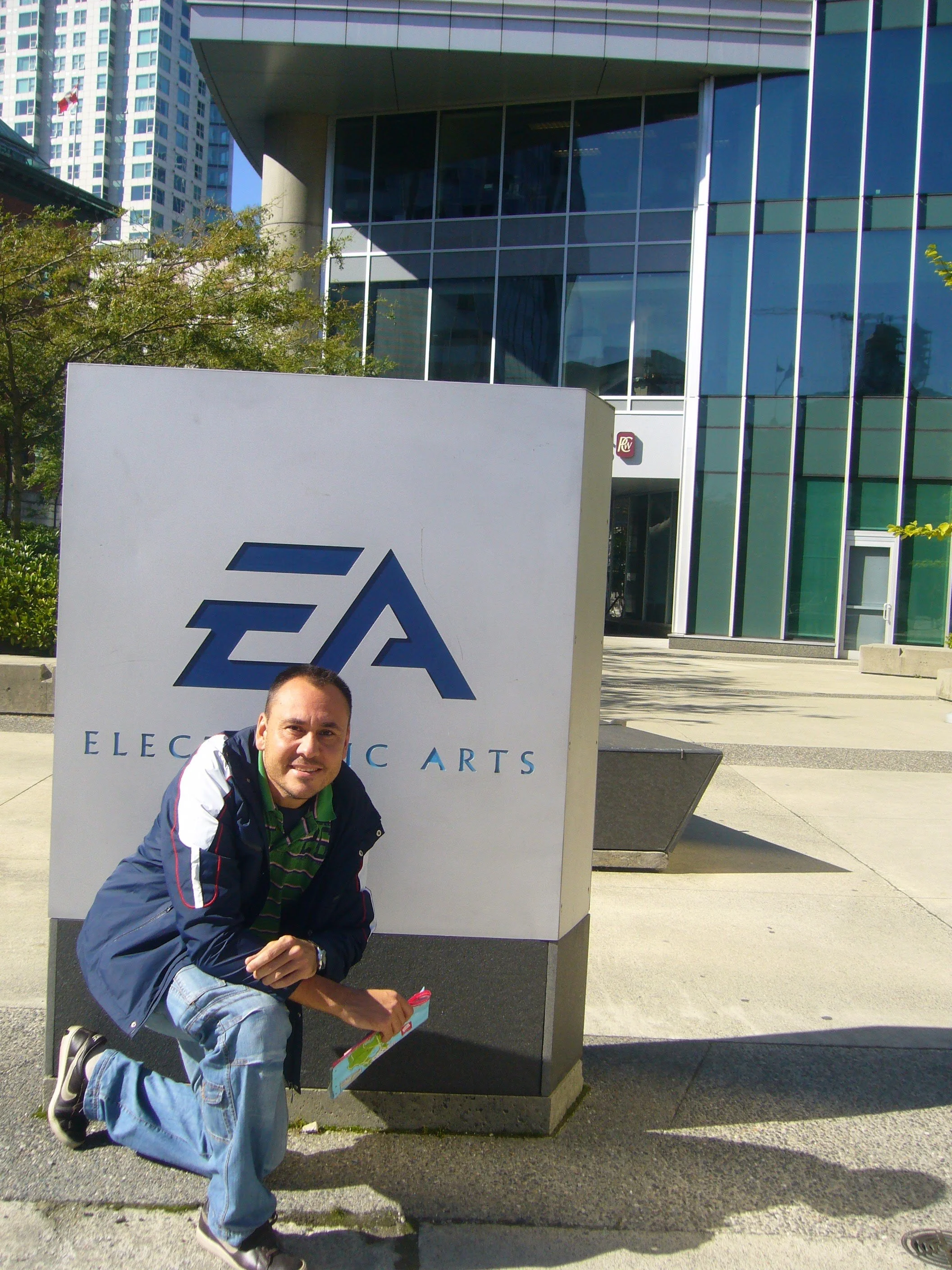
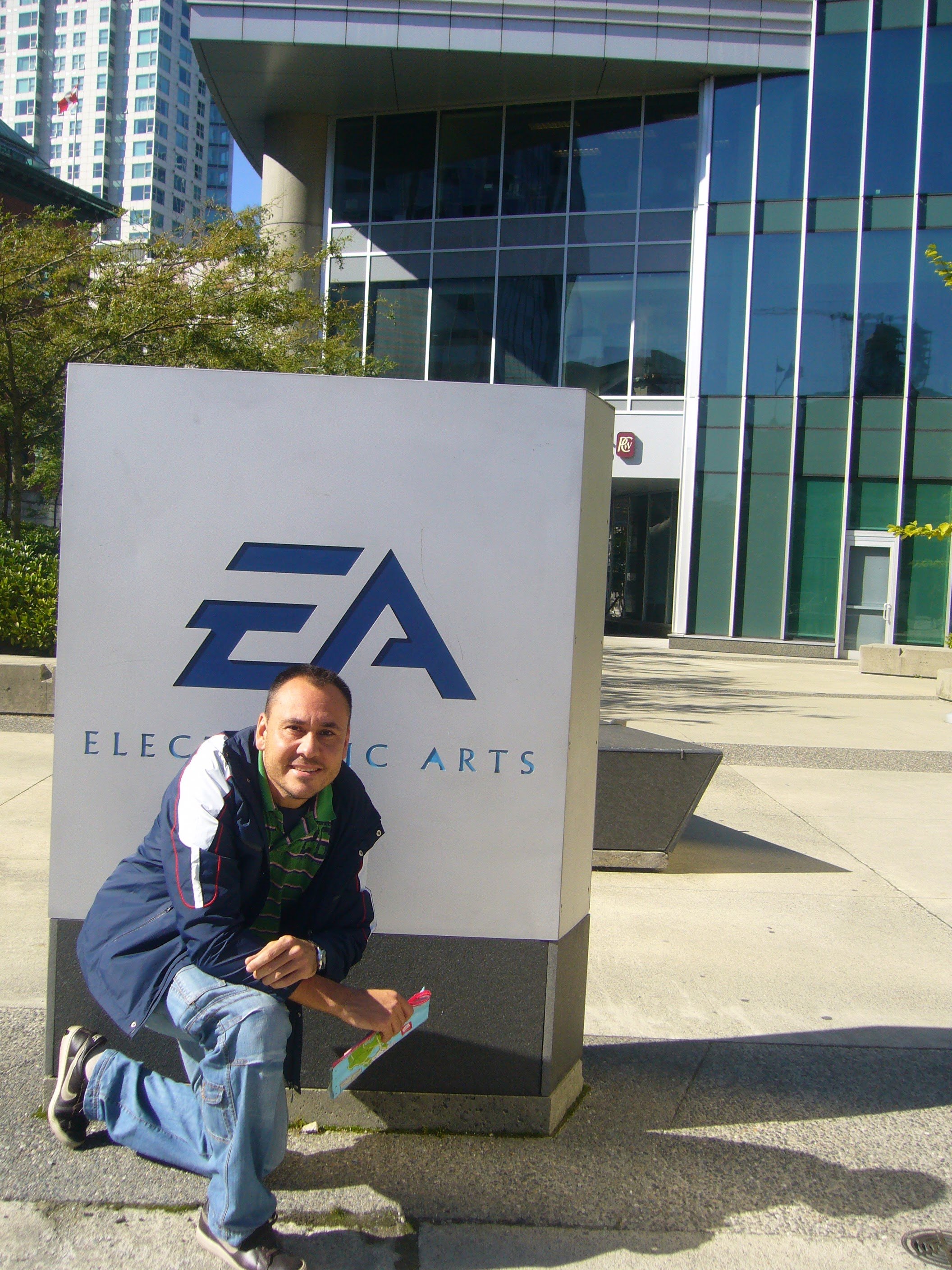
Vancouver 2008, where everything started
All the best on your public speaking journey. Keep studying, keep practicing, and keep giving your Localization ideas the chance to be heard!
@yolocalizo
Many companies claim to be customer-centric, but too often that promise stops at English. Surveys and focus groups are run in the US or UK and treated as if they represent the entire customer base, leaving most global customers unheard. In this post, I share a practical framework 5 audit questions to help leaders test if their strategy is truly customer-centric or just a slogan.