4 types of localization decision makers

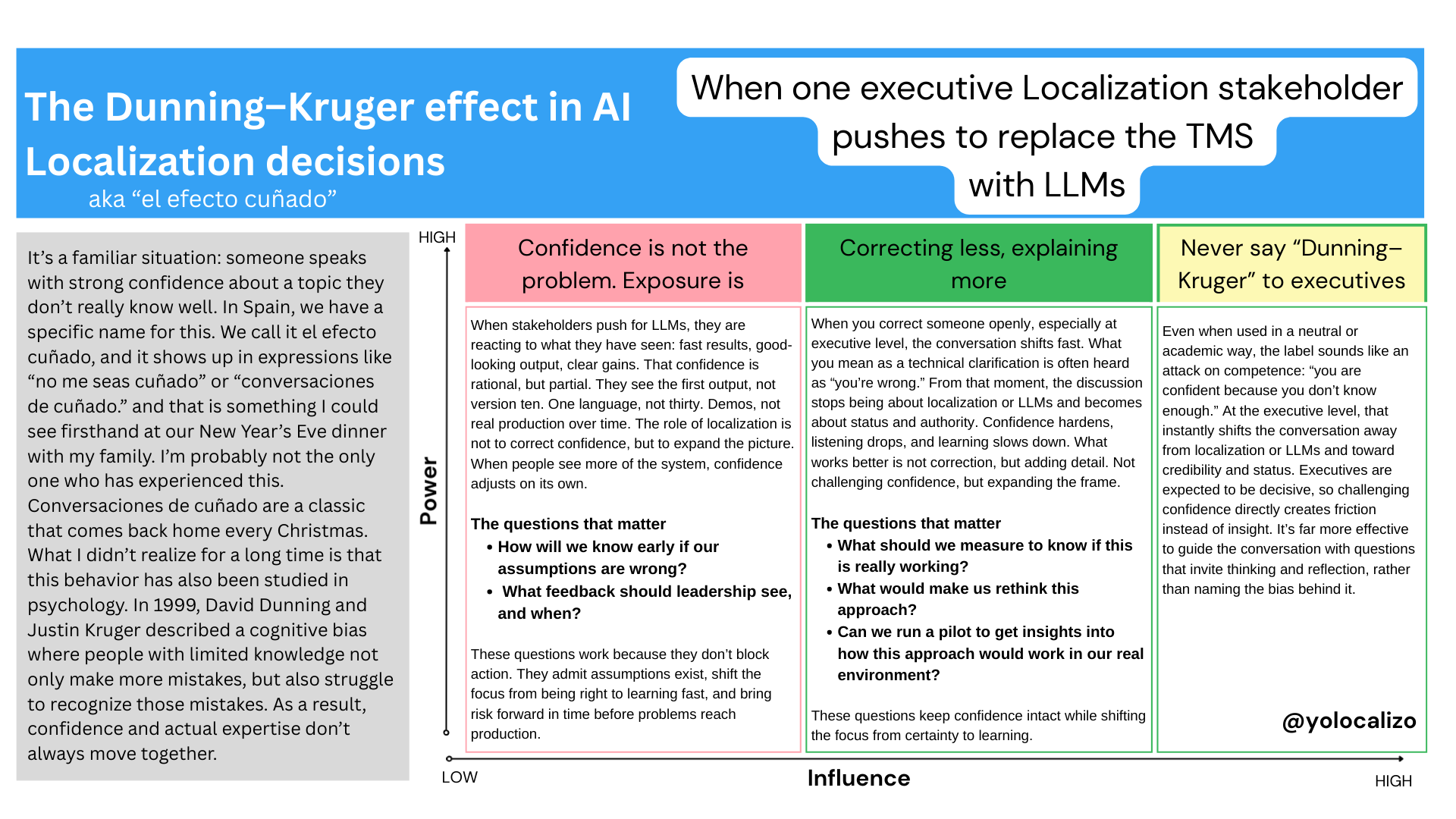
Executives have a default style of decision-making developed early in their careers. Executives can fall into different categories when making decisions. By knowing the preference for hearing or seeing certain types of information at specific stages in their decision-making progress we can substantially improve our ability to pitch our Localization strategy

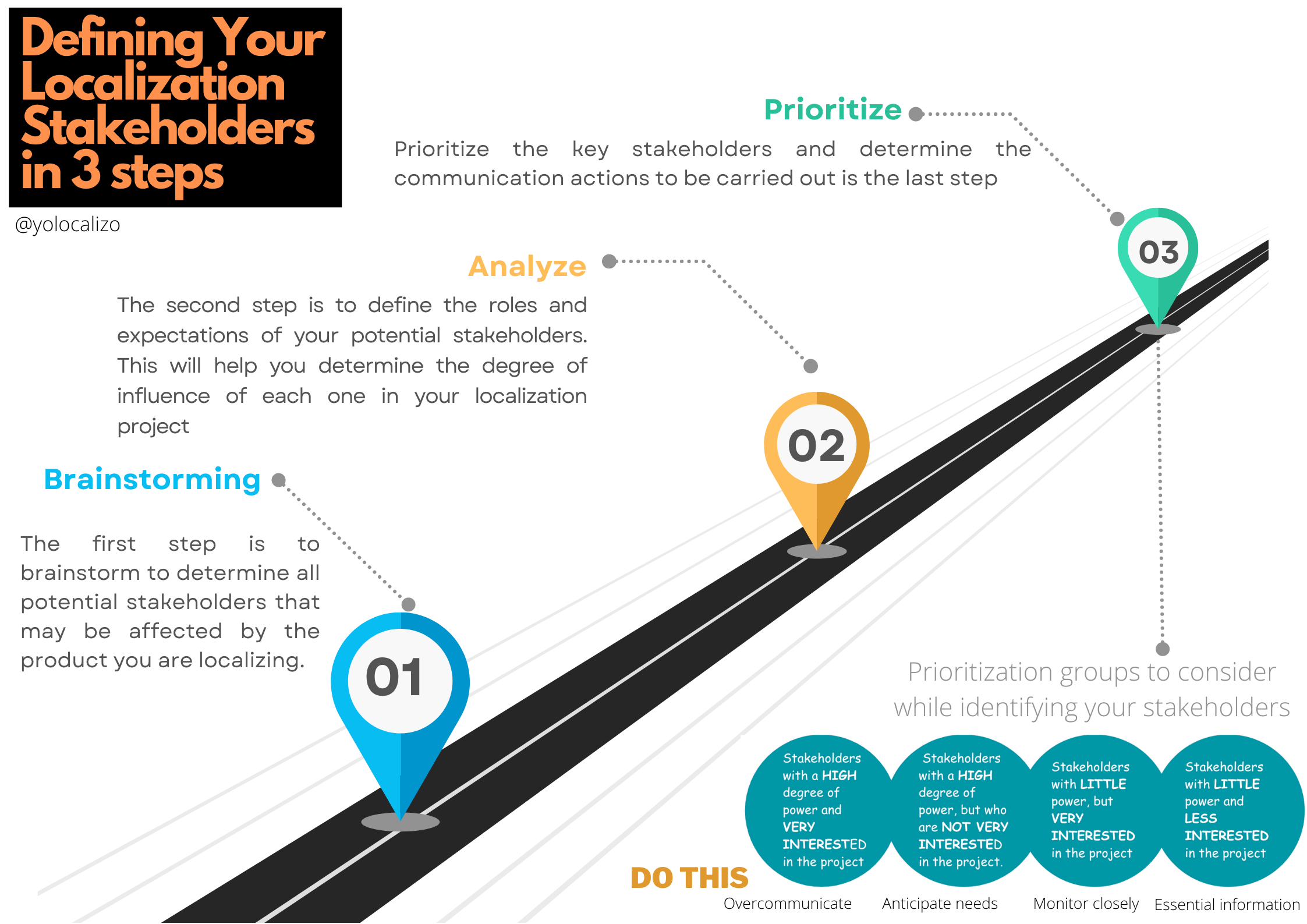
Defining your Localization stakeholders in 3 steps

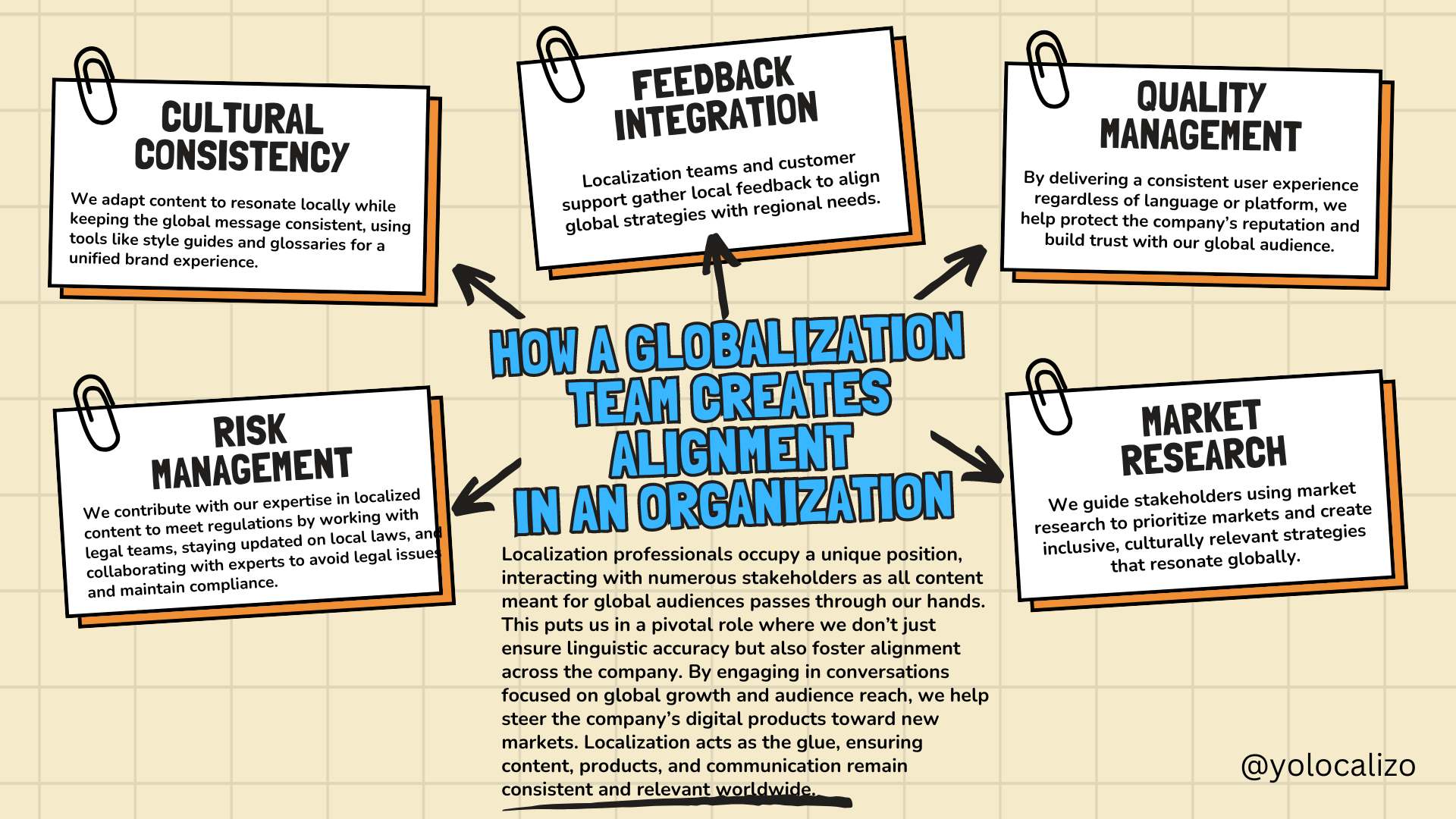
A Localization team interacts with many people in a day. A Localization team has many lines of communication and stakeholders to engage. This is great because it allows localization industry professionals to have a lot of visibility and opportunities to explain how the content we create and localize helps the overall growth of the company. But at the same time, this presents a challenge, since interacting with so many people requires a plan to know who are the people we need to interact with.

There are 2 types of growth curves: Which one represents your growth as Globalization professional?

We often have a disconnection between results and the speed with which we achieve them. We all want fast results; whether we are improving the level of a language we are learning or wishing to lose those extra pounds now that the summer is approaching. ... or .... in the Localization program, we are implementing in a company.

Unfortunately, many things in life do not follow linear progress. We face two types of curves when we want to achieve something.

And knowing which one we are in can significantly help us understand the skills we have to polish and the plan we have to follow.

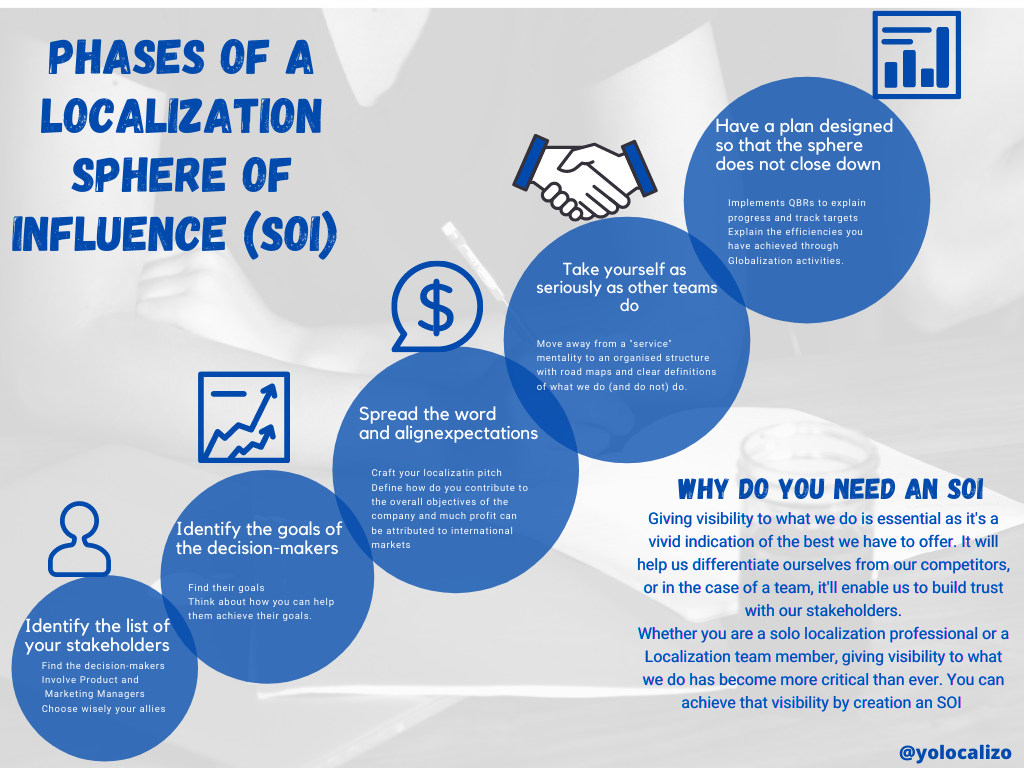
How to create a Localization Sphere of Influence (SOI) and why you need one

A Localization Sphere of Influence is something that can be extremely useful both to give visibility to the Localization activities we carry out and to provide us with professional development opportunities.

In this post, I explain the different phases you need to go through in order to create one and go into why it is important to have a Sphere of Influence (SOI) in your Localization strategy.

Globalization is not a process; it is a cycle, and what seems like a subtle difference changes everything when it comes to shaping software development strategy.

A multi-market expansion strategy for any product is most effective if the various Globalization (i.e.Localization, Internationalization) activities are understood as a cycle that runs parallel to the multiple phases of software development; This cycle repeats during the various product upgrades. It is not an activity that is executed as if it were a process once the home market version (usually in English) is finalized. It is not a transaction that simply sends files to a professional localizer shortly before the global release. No; Globalization is not a process. Globalization is a cycle that runs multiple times. It is a cycle that runs in parallel with the product research, design, and development phases.